
How to Stop Water from Collecting on Your Cover

본문
Water pooling on your cover is more than just an eyesore—it can lead to deterioration, fungal development, and frame warping over time. If you notice water collecting, gathering, or stagnating instead of draining off, it’s time to take action, address the issue, intervene immediately. The first step is to inspect, examine, assess the cover’s slope. A flat, sagging, or uneven cover won’t shed water effectively. Make sure it’s installed with a slight incline, gentle slope, minimal tilt so water naturally runs off, flows away, drains toward the edges. If the cover has sagged, drooped, or collapsed due to age, wear, or poor support, reinforce the frame, install additional supports, upgrade the structure underneath.
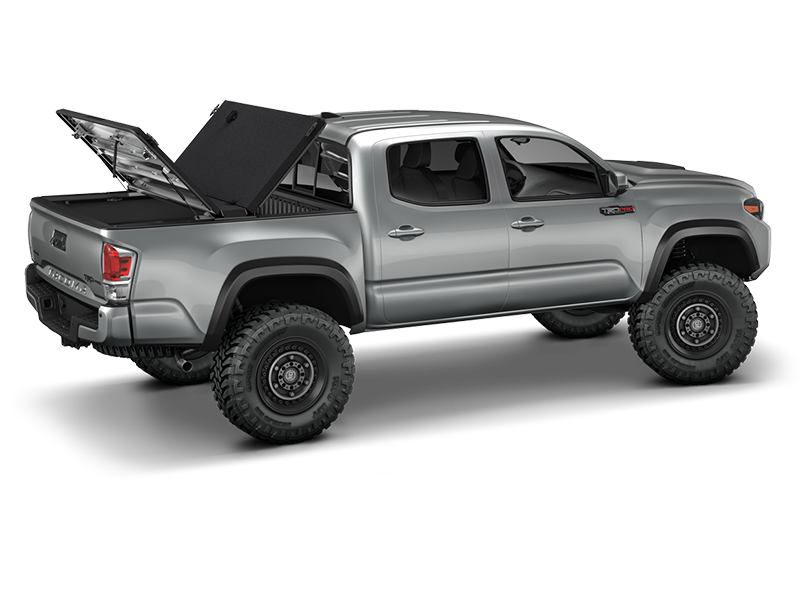
Next, check the tension. A untightened, saggy, uneven cover will form traps, hollows, or basins where water collects. Tension, tighten, or re-fasten any straps, buckles, or fasteners to ensure the cover is pulled taut, stretched tight, fully extended. For custom, tailored, or specialty covers, consider adding diagonal tension cables, hub supports, or arched braces to prevent sunken areas, dips, or depressions. Avoid adding excessive weight, stacking, or cramming the toyota tacoma tonneau cover with snow, debris, or leaves, as this can also cause it to sag, warp, or deform.
Clean the cover frequently, periodically, or on schedule. Dirt, leaves, and grime can hamper, inhibit, or restrict water pathways, exit points, or perforations. Use a plush brush, lint-free towel, or sponge with eco-friendly solution, low-sudsing cleaner, or fabric-safe soap to clean the surface, then rinse well, spray down, or pressure-wash lightly. If your cover has pre-installed drains, eyelets, or exhaust ports, make sure they’re not blocked, clear, or unobstructed. Unblock, clean out, or extract any obstructions, blockages, or debris to allow water to move unimpeded, exit efficiently, or channel without resistance.
If your cover is frayed, faded, or compromised, consider replacing it with a model designed for advanced drainage, premium water-shedding, or anti-pooling design. Look for features like elevated hems, arched contours, or built-in gutters. Some covers come with ventilation openings, moisture-release zones, or airflow channels that help reduce condensation, improve airflow, and prevent pooling.
Finally, during torrential showers, ice accumulation, or severe storms, check the cover on schedule, daily, or as needed. Use a broom, soft push broom, or padded brush to gently sweep, lightly brush, or carefully remove water off the surface if it accumulates, collects, or forms depressions. Don’t wait until the weight becomes too much, pressure builds, or structure strains—preventive care, timely maintenance, or quick fixes lowers expenses, minimizes wear, and enhances durability later. Taking these straightforward, essential, and proven steps will help keep your cover clean, resilient, and performance-ready for years to come, many seasons, or the long term.
- 이전글How to Repair a Torn Soft Bed Cover 26.04.16
- 다음글How to Safely Transport Heavy Loads with a Bed Cover 26.04.16