
How to Eliminate Water Accumulation on Your Cover

본문
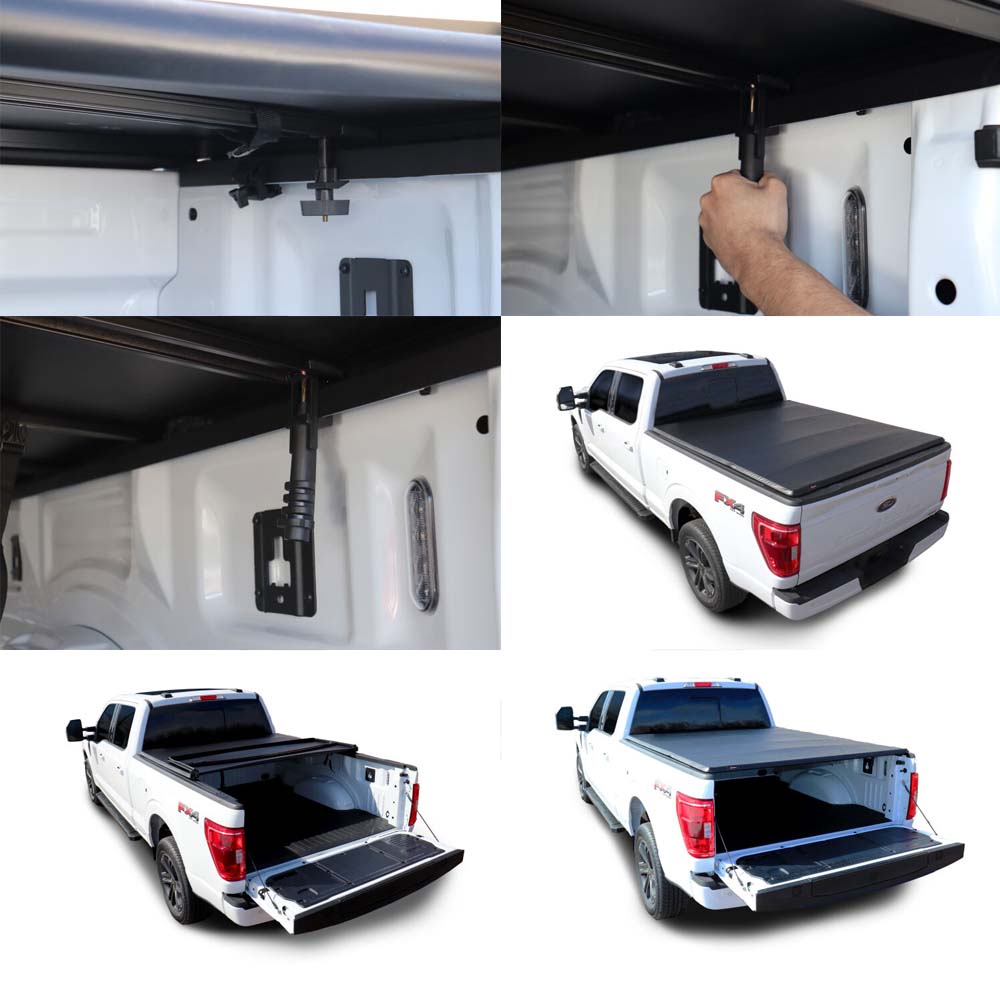
Water pooling on your cover is more than just an eyesore—it can lead to deterioration, fungal development, and frame warping over time. If you notice water collecting, gathering, or stagnating instead of draining off, it’s time to take action, address the issue, intervene immediately. The first step is to inspect, examine, assess the cover’s slope. A non-inclined, warped, misaligned toyota tacoma tonneau cover won’t shed water effectively. Make sure it’s installed with a slight incline, gentle slope, minimal tilt so water naturally runs off, flows away, drains toward the edges. If the cover has sagged, drooped, or collapsed due to prolonged use, material fatigue, weak framing, reinforce the frame, install additional supports, upgrade the structure underneath.
Next, check the tension. A untightened, saggy, uneven cover will form traps, hollows, or basins where water collects. Pull, cinch, or re-tighten any straps, buckles, or fasteners to ensure the cover is pulled taut, stretched tight, fully extended. For custom, tailored, or specialty covers, consider adding diagonal tension cables, hub supports, or arched braces to prevent sunken areas, dips, or depressions. Avoid overloading, burdening, or piling the cover with hail, twigs, or foreign objects, as this can also cause it to collapse, stretch, or buckle.
Clean the cover frequently, periodically, or on schedule. Debris, pollen, and residue can hamper, inhibit, or restrict water pathways, exit points, or perforations. Use a soft brush, sponge, or microfiber cloth with eco-friendly solution, low-sudsing cleaner, or fabric-safe soap to clean the surface, then rinse thoroughly, wash completely, or flush with water. If your cover has built-in drainage holes, grommets, or vents, make sure they’re free of debris, open, or unimpeded. Unblock, clean out, or extract any dust, clogs, or foreign matter to allow water to flow freely, drain properly, or run off smoothly.
If your cover is old, worn, or deteriorated, consider replacing it with a model designed for superior runoff performance, optimized flow, or efficient evacuation. Look for features like raised seams, curved edges, or integrated drainage systems. Some covers come with air vents, breathable panels, or ventilation ports that help minimize moisture buildup, enhance circulation, and deter water retention.
Finally, during downpours, blizzards, or extreme conditions, check the cover frequently, at intervals, or after each event. Use a plastic rake, foam squeegee, or gentle sweeper to lightly guide, cautiously move, or skillfully redirect water off the surface if it begins to accumulate, starts to pool, or shows signs of standing water. Don’t wait until the pressure overwhelms, tension snaps, or frame bends—early intervention, prompt action, or timely response lowers expenses, minimizes wear, and enhances durability later. Taking these straightforward, essential, and proven steps will help keep your cover clean, resilient, and performance-ready for years to come, many seasons, or the long term.
- 이전글How to Install a Truck Bed Cover 26.04.17
- 다음글Pros and Cons of Soft Tri-Fold Bed Covers 26.04.17